

Why Regular Water Treatment System Maintenance Matters
With any piece of equipment, regular water treatment system maintenance is essential to ensure operations perform at the highest standard. But how can one tell if an industrial water treatment system is performing optimally? What are some tell-tale signs of poor water quality that may indicate underlying issues with the treatment process?
As these wastewater treatment systems can significantly impact a business’s competitiveness and operational continuity, it is imperative for industries to pay closer attention to when their quality water systems require refreshing – either in the form of repairs or upgrades.
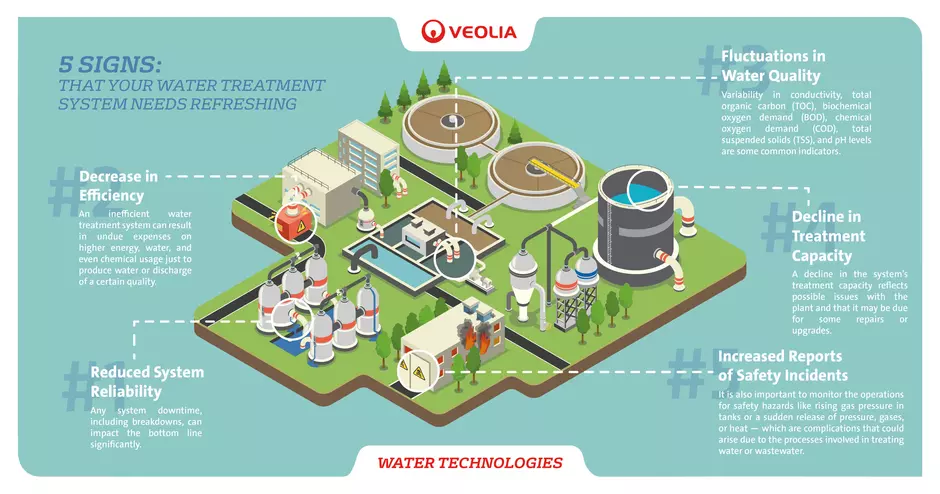
Read on to find out more about five common warning signs that a water or wastewater treatment system may not be performing properly.
#1: Reduced System Reliability
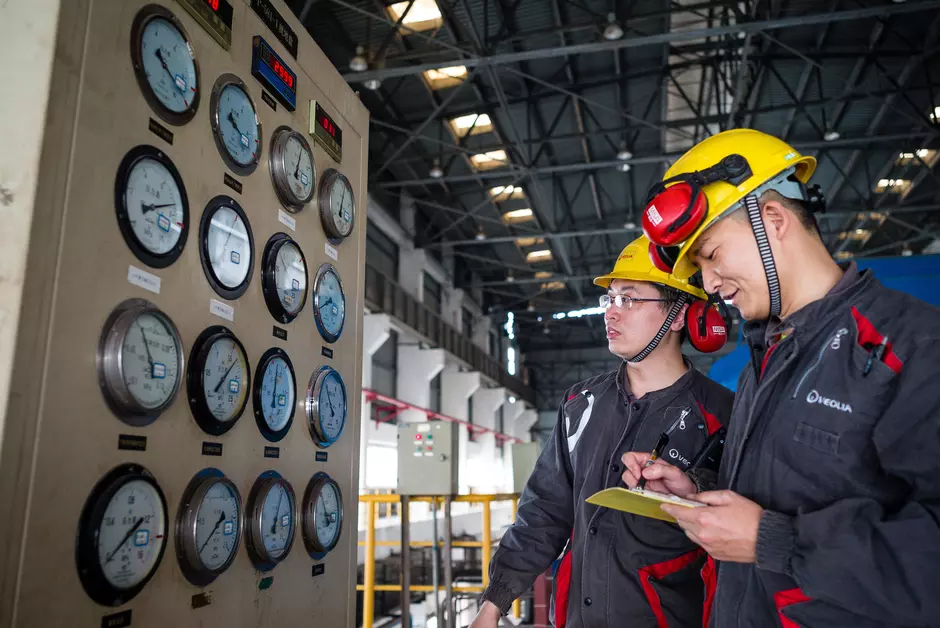
For any manufacturer, ensuring the reliability of the production processes is of utmost importance. Any system downtime, including breakdowns, can impact the bottom line significantly. If a plant is experiencing downtime or breakdowns more frequently, it might signal that the plant’s process water or industrial water treatment system is not running normally.
Production processes that rely heavily on a stable wastewater treatment system will be adversely affected, and operations can be halted altogether — ultimately leading to financial losses — if the reliability of the system deteriorates. Regular water treatment system maintenance can be adopted as a preventive measure, and the need for an upgrade can be identified and addressed early with solutions such as Hubgrade for remote performance monitoring.
#2: Decrease in Efficiency
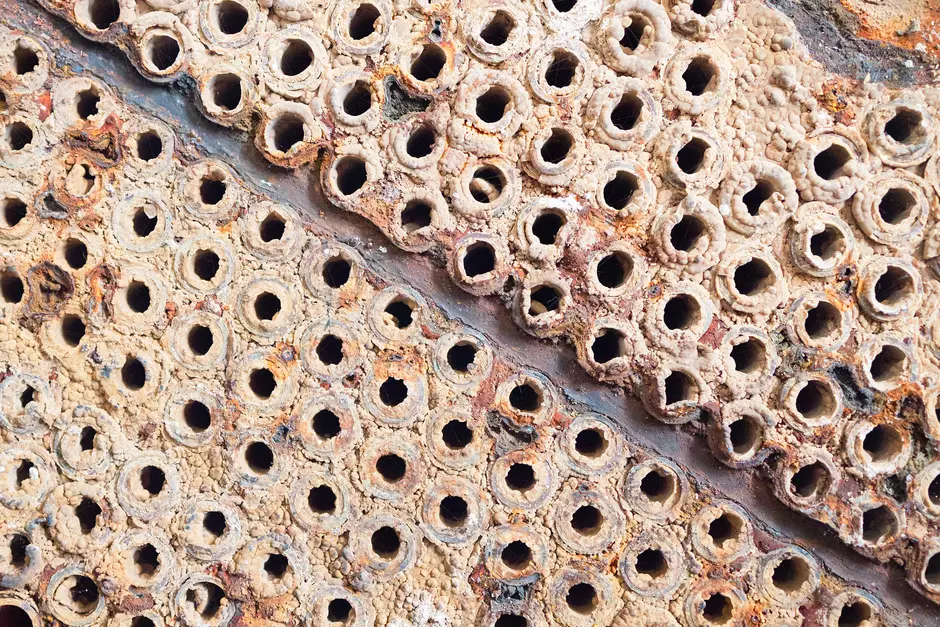
An inefficient water treatment system can result in undue expenses on higher energy, water, and even chemical usage just to produce water or discharge of a certain quality. In the long term, a system’s sub-optimal performance may also mean a higher risk of equipment failure due to the greater strain it places on the equipment.
Plant operators who are observing an increase in consumption of resources, such as electricity, water, and chemicals, should assess the systems to determine if there are issues with the plant that may have caused efficiency levels to dip. Regular monitoring, coupled with a well-maintained wastewater treatment plant, can help stabilise performance and maintain optimal efficiency in industrial water treatment systems.
#3: Fluctuations in Water Quality
Water and wastewater treatment plant operators are no strangers to the standards for water or discharge quality, usually for compliance with local regulations. These standards serve both as a guide for the business and as a target for plant operators, ensuring that the plant supports the business’s production needs effectively.
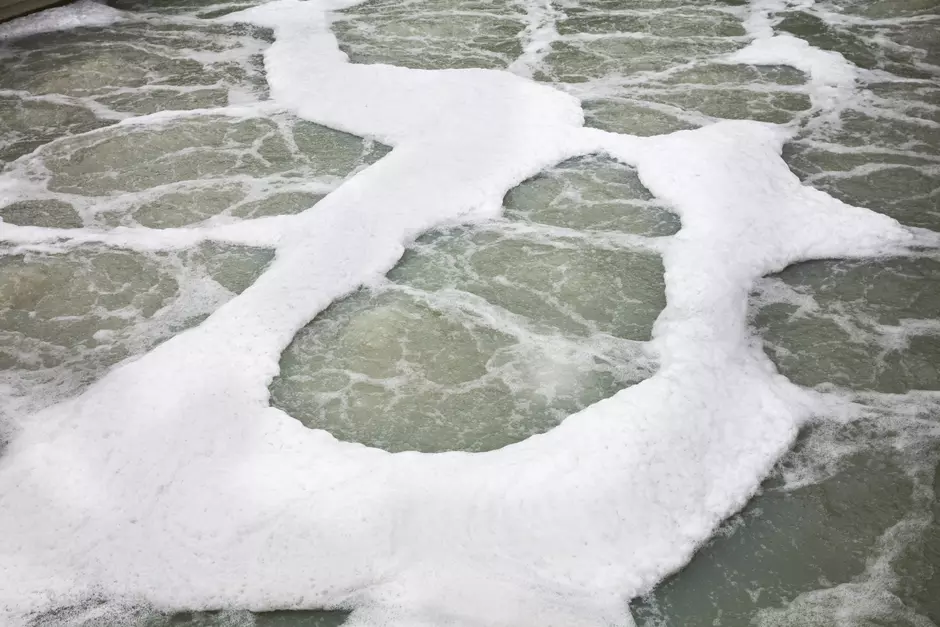
The most obvious signs of poor water quality is when the production quality of the plant begins to deteriorate or fluctuate despite all other factors remaining constant, it could indicate issues within the water treatment system. Variability in conductivity, total organic carbon (TOC), biochemical oxygen demand (BOD), chemical oxygen demand (COD), total suspended solids (TSS), and pH levels are some common signs of poor water quality.
Inconsistent system performance can have serious consequences for the business, such as production delays or additional costs to treat the water or wastewater again. To stabilise performance, plant operators can explore upgrading systems or using water treatment plant chemicals that enhance process reliability and help maintain consistent water quality — supporting both compliance and operational efficiency in industrial water treatment systems.
Looking for experts to maintain your water treatment plant?
#4: Decline in Treatment Capacity
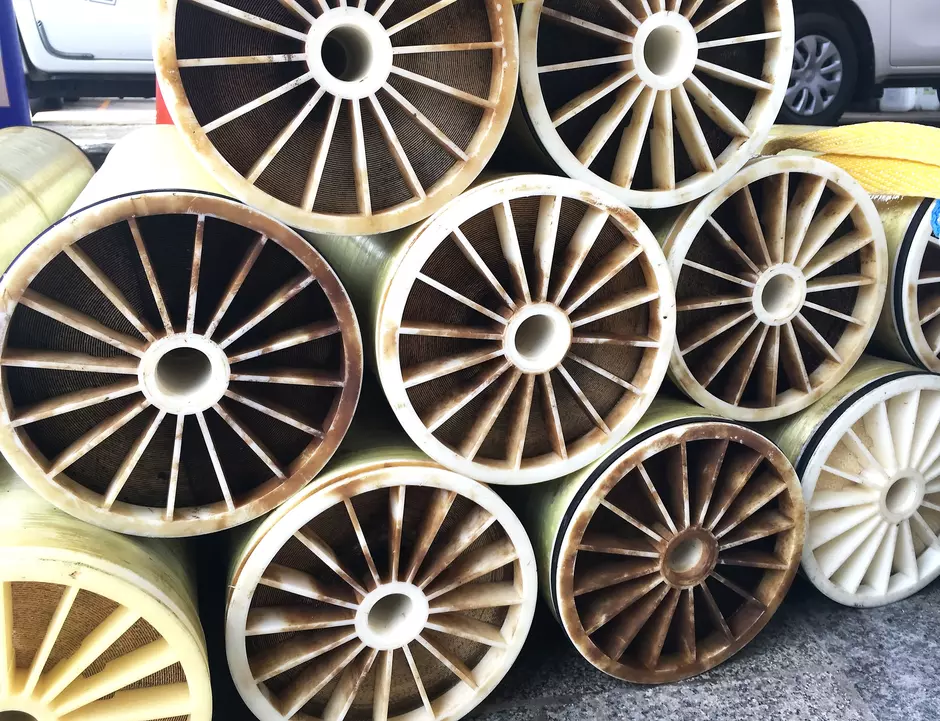
Another indication that the water treatment system may not perform optimally is a decline in its treatment capacity – which can affect its ability to support production. One common example is a noticeable drop in the system’s flowrates. When designing a water treatment system, engineers consider the plant’s water needs and specify the system with the required capacity to meet operational demand.
A reduction in the system’s throughput may signal underlying mechanical or process issues that require prompt attention. To address these challenges, businesses can explore advanced water technologies that enhance system performance, reliability, and efficiency. These solutions allow operators to plan maintenance and upgrades proactively, ensuring the system continues to deliver reliable capacity and consistent water quality.
#5: Increased Reports of Safety Incidences
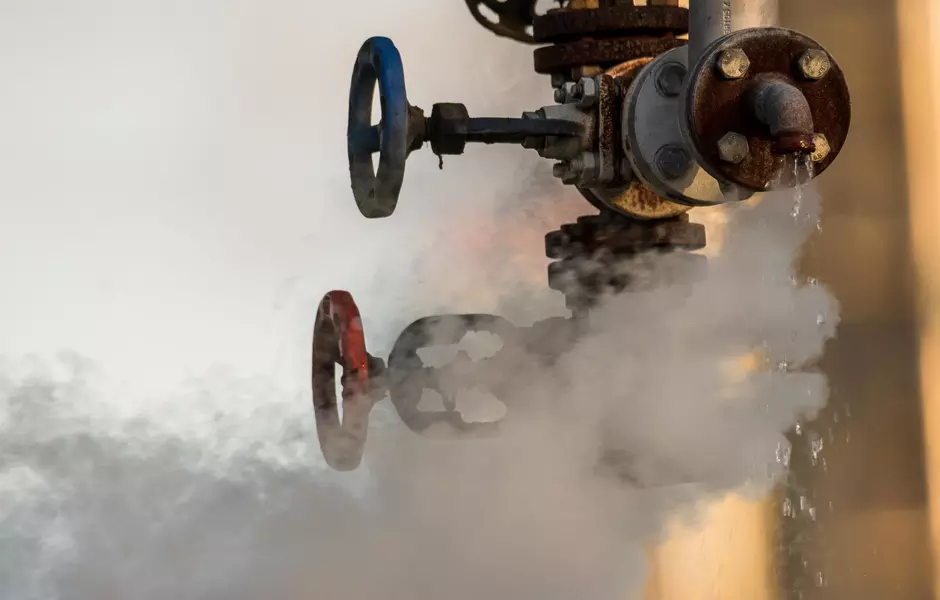
Most facilities that operate industrial water treatment systems are classified as hazardous due to the significant amounts of energy and chemicals used during treatment processes. It is therefore crucial to monitor operations closely for safety hazards such as rising gas pressure in tanks or sudden releases of pressure, gases, or heat — all of which could indicate underlying system issues.
For instance, nitrogen gas is often injected into process water streams to prevent bacterial growth and maintain quality water systems by controlling biofouling. Frequent safety incidents can serve as serious warning signs that the water treatment system is not performing optimally, posing risks to both personnel and equipment.
Poor water quality can cause scaling, corrosion, and fouling in industrial equipment, leading to costly repairs, downtime, and reduced operational performance. It can also pose health hazards if contaminants exceed safe limits, and may result in regulatory penalties for non-compliance.
Poor water quality may be visually evident through cloudiness, unusual coloration (such as brown or green), sediment, or floating debris. It can also be detected by unpleasant tastes or odors, and through laboratory analysis revealing high levels of contaminants like heavy metals, bacteria, or chemicals.
Industrial water treatment technologies include filtration systems to remove solids, reverse osmosis for desalination and contaminant removal, UV disinfection to kill microorganisms, ion exchange for softening and demineralization, and chemical dosing for pH adjustment, coagulation, or oxidation.
Servicing frequency depends on system type, water quality, and operational load, but annual servicing is a minimum standard. High-demand or heavily contaminated water sources may require quarterly or even monthly maintenance to ensure optimal performance.
An industrial water treatment system should be upgraded when production capacity increases, water quality requirements become stricter, efficiency declines due to aging components, or new environmental regulations mandate advanced treatment capabilities.
Health and safety is a key and vital part of the Veolia DNA. Our ambition is always zero accidents and everyone goes home at night. We have our own internal standards which conform to both national and international requirements. In addition to working on your site, we will work with you to ensure all of our service team fully meet and exceed your local requirements.